

Introduction
Welcome to our Affordable cars, your go-to destination for everything related to cars and the automotive world. Whether you’re looking for the latest car reviews, new vehicle launches, buying advice, maintenance tips, or information about electric and hybrid cars, we’re here to help you make smarter decisions.
From affordable family cars and fuel-efficient vehicles to powerful SUVs and luxury cars, we cover the features, performance, technology, pricing, and pros and cons that matter most. Our goal is to provide simple, useful, and honest automotive content for both car enthusiasts and everyday drivers.
Stay with us for the latest car news, helpful guides, detailed reviews, and everything you need to know before getting behind the wheel.
Car Technology
Modern car technology is changing the way we drive, travel, and stay connected on the road. Today’s vehicles come with advanced features such as smart infotainment systems, digital dashboards, wireless smartphone connectivity, adaptive cruise control, parking sensors, lane-keeping assistance, and automatic emergency braking. Electric and hybrid cars are also introducing new technologies that improve efficiency while reducing emissions. As automotive technology continues to develop, cars are becoming safer, smarter, more comfortable, and more connected than ever before.
Electric Cars (EVs)
Electric vehicles (EVs) are becoming increasingly popular as drivers look for cleaner, quieter, and more efficient ways to travel. Unlike traditional cars that use gasoline or diesel engines, EVs are powered primarily by electric motors and rechargeable batteries. They offer smooth acceleration, low driving noise, and fewer routine engine-maintenance requirements because they have fewer moving mechanical components.
Modern electric cars can also include advanced features such as regenerative braking, fast charging, smartphone connectivity, digital dashboards, and driver-assistance systems. One of the biggest factors to consider when choosing an EV is its driving range, along with charging time, battery capacity, charging infrastructure, purchase price, and available features.
Benefits of Electric Cars
- Lower running costs: Electricity can cost less than conventional fuel, depending on local energy and fuel prices.
- Less routine maintenance: EVs don’t require engine oil changes and generally have fewer powertrain components to service.
- Quiet and smooth driving: Electric motors deliver instant torque and very little drivetrain noise.
- Reduced tailpipe emissions: Battery-electric vehicles produce no tailpipe exhaust while driving.
- Modern technology: Many EVs offer advanced connectivity, digital controls, and driver-assistance features.
Things to Consider
EVs also have some challenges. Charging can take longer than filling a conventional fuel tank, and the availability of public charging stations varies by location. Battery performance, vehicle range, charging speed, purchase price, and access to home charging are important factors to consider before buying an electric car.
Overall, electric cars are an important part of the automotive industry’s shift toward electrified transportation. For drivers who have convenient charging access and a suitable driving routine, an EV can provide a practical, efficient, and technology-focused alternative to a traditional gasoline-powered car.
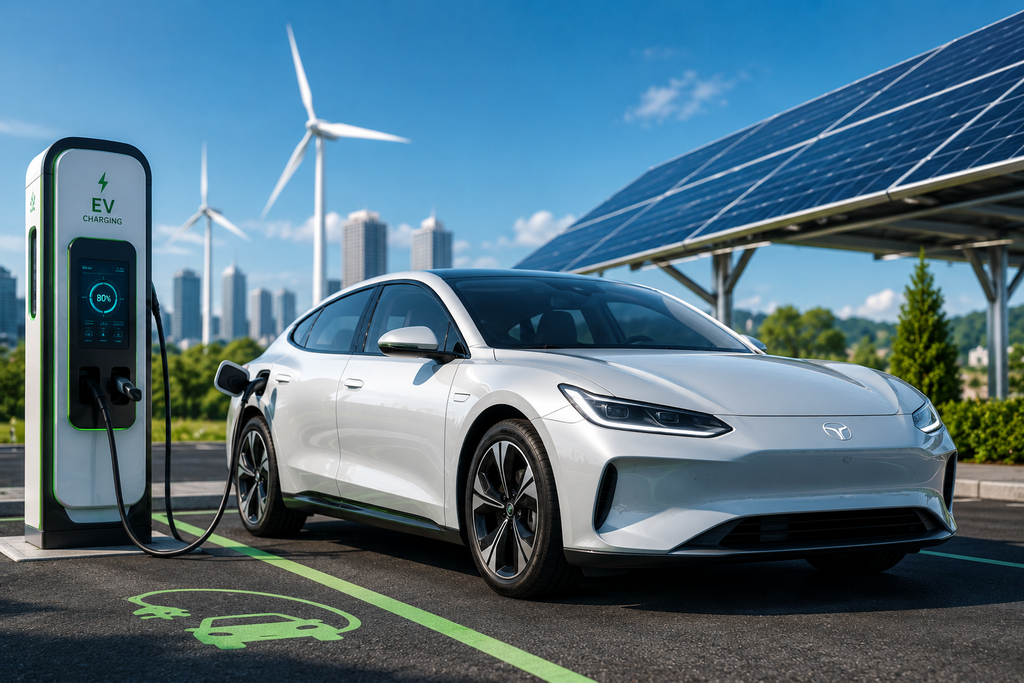
Pros and Cons of Electric Cars
Electric cars offer several advantages over traditional gasoline-powered vehicles, but they also have some limitations. Here’s a simple breakdown you can use in your blog.
Pros of Electric Cars
- Lower running costs: Electricity can be cheaper than gasoline or diesel, depending on local prices and charging options.
- Less maintenance: EVs have fewer moving drivetrain components and don’t need regular engine oil changes.
- Quiet driving: Electric motors operate much more quietly than conventional engines.
- Instant acceleration: Electric motors can deliver strong torque immediately, providing quick and smooth acceleration.
- Zero tailpipe emissions: Fully electric vehicles produce no exhaust emissions while driving.
- Advanced technology: Many EVs feature modern infotainment systems, digital dashboards, smartphone apps, and driver-assistance technology.
- Regenerative braking: EVs can recover some energy during braking and use it to help recharge the battery.
Cons of Electric Cars
- Higher upfront price: Some EVs can cost more to purchase than comparable gasoline-powered cars.
- Charging time: Recharging a battery generally takes longer than filling a conventional car with fuel.
- Charging infrastructure: Public charging availability varies significantly by location.
- Range limitations: Long-distance driving may require more planning, particularly where fast chargers are limited.
- Battery replacement cost: An EV’s battery is an expensive component, although modern batteries are designed to last many years.
- Range can vary: Cold weather, high speeds, heavy loads, and extensive use of heating or air conditioning can reduce driving range.
- Home charging isn’t available everywhere: Drivers without a suitable parking space or electrical setup may need to rely more heavily on public chargers.
Final Verdict
Electric cars can be an excellent choice for drivers who want lower maintenance, quiet performance, modern technology, and reduced tailpipe emissions. However, buyers should consider purchase price, driving range, charging availability, and their typical driving habits before making the switch.